

What’s so special about Everest region?
Alongside, there are many other specialties to the Everest region, about which we’ll talk about below:

Everest viewpoints, Khumjung and Namche Bazaar
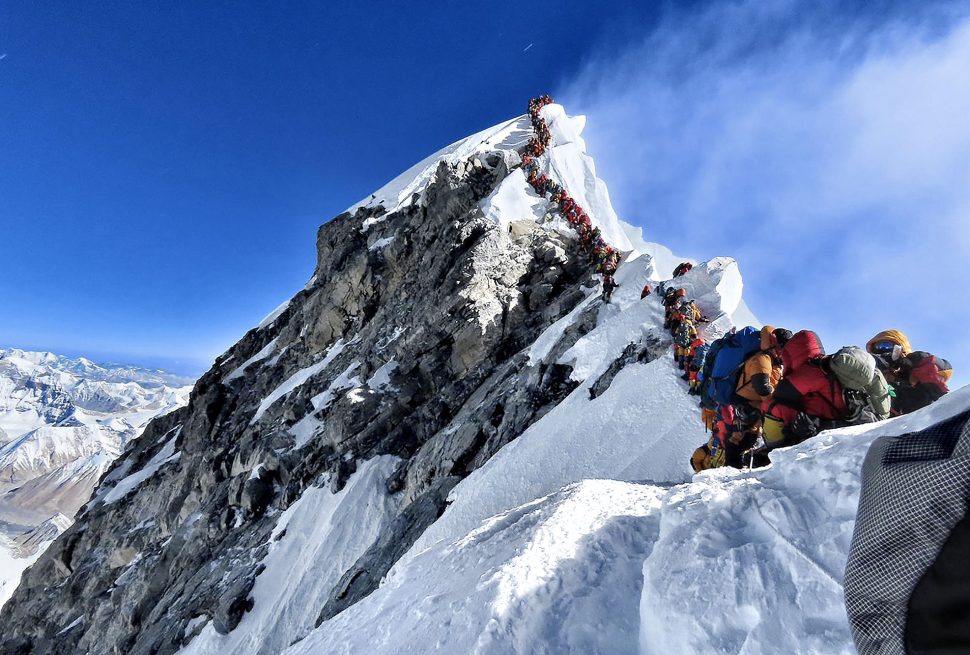
Peaks such as Mount Everest, Lhotse, Nuptse, and Ama Dablam dominate the skyline, creating a breathtaking panorama at every turn. The vastness of these towering giants against the backdrop of clear, azure skies is a sensory experience that imprints itself on the memory of every trekker, forming a vivid connection to the raw power and beauty of the natural world. Moreover, beyond the iconic Everest Base Camp, trekkers can ascend to renowned viewpoints like Kala Patthar. Situated at an elevation of approximately 5,545 meters (18,192 feet), Kala Patthar provides an unrivaled vantage point for witnessing the sunrise or sunset over Everest and its neighbouring peaks. The play of light on the snow-capped summits creates a mesmerizing spectacle, transforming the landscape into a canvas of ever-changing colours.
- Khumjung and Namche Bazaar: En route to Everest, trekkers traverse through vibrant villages, such as Namche Bazaar and Khumjung, where the cultural richness of the region comes to life. These settlements, nestled amid the mountains, showcase the unique way of life. Trekkers can engage in cultural exchanges, explore ancient monasteries like the one in Tengboche, and relish the warm hospitality extended by the local people. The authenticity of these interactions adds depth to the trekking experience, fostering a connection with the local community.
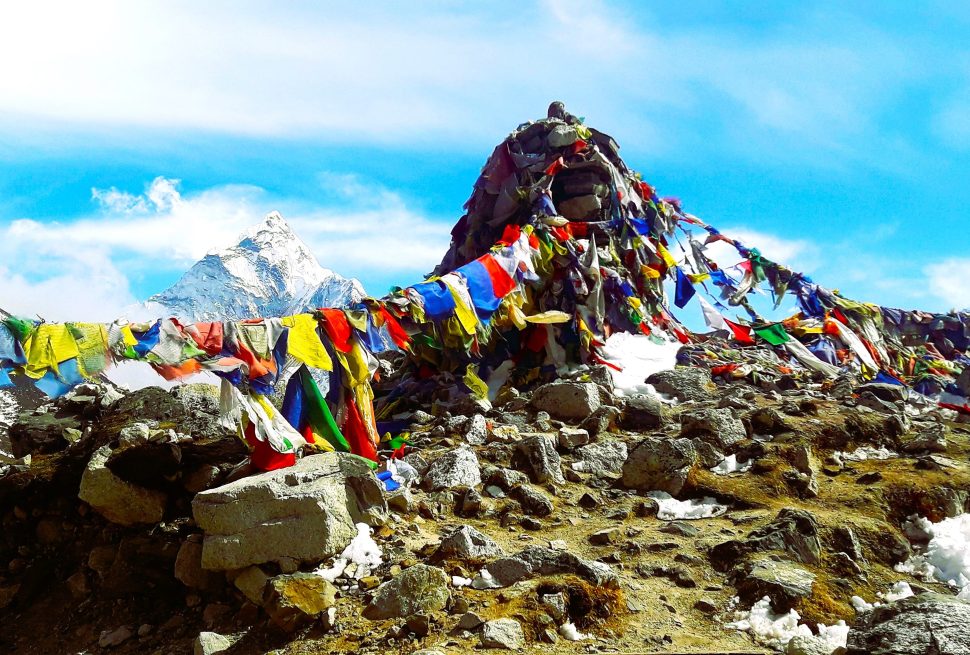
- Cultural Immersion: The Everest trek is not only a physical journey but also a cultural odyssey. Trekkers immerse themselves in the rich tapestry of local culture, participating in rituals, visiting ancient monasteries, and gaining insights into the spiritual practices of the region. The rhythmic sounds of Buddhist chants, the vibrant colors of prayer flags fluttering in the mountain breeze, and the welcoming smiles of the local people collectively contribute to a cultural immersion that enriches the trekking experience.
Iconic Everest Base Camp
The trek to Everest Base Camp stands as a symbolic journey, offering adventurers the chance to stand in the shadow of the world’s highest peak. Mount Everest’s formidable presence becomes tangible as trekkers arrive at the base camp, providing an overwhelming sense of achievement. The iconic Everest Base Camp, at an elevation of about 5,364 meters (17,598 feet), is not merely a destination; it is a testament to human resilience and the allure of conquering monumental challenges.
- Sagarmatha National Park: The Everest region falls within the boundaries of Sagarmatha National Park, a UNESCO World Heritage Site. This protected area is not only a haven for trekkers but also a sanctuary for diverse flora and fauna. Rare species, including the elusive red panda and the majestic snow leopard, find refuge in this pristine environment. The park’s ecological significance underscores the importance of responsible trekking practices, emphasizing the need to minimize the environmental impact.
- Expert Locals Guided Expeditions: To navigate the challenging terrain and gain deeper cultural insights, many trekkers opt for guided expeditions led by local guides. These experienced local guides possess an intimate knowledge of the region, its trails, and the ever-changing mountain conditions. Their guidance not only ensures a safer journey but also adds a layer of authenticity as they share personal stories and anecdotes, enhancing the overall trekking experience.
- Everest Base Camp Trekking Season: Timing is crucial for an Everest trek, and the primary seasons are spring (April to May) and autumn (September to November). During these periods, the weather is generally stable, with clear skies providing optimal visibility of the Himalayan peaks. The moderate temperatures and favorable conditions make these seasons ideal for trekking, ensuring trekkers can fully appreciate the grandeur of their surroundings.
Challenging High-Altitude Terrain:
However, the trekking trails in the Everest region are not for the faint of heart. Trekkers navigate challenging ascents and descents, crossing high-altitude passes like Cho La and Kongma-La. These passes, often shrouded in mist and surrounded by dramatic landscapes, demand physical endurance and mental fortitude. Acclimatization becomes a paramount concern as trekkers ascend to altitudes where the air thins, highlighting the need for careful preparation to mitigate the risks of altitude-related issues.
- Renowned Three Passes Trek: For those seeking a more adventurous and off-the-beaten-path experience, the Three Passes Trek beckons. This challenging route involves crossing three high-altitude passes—Renjo La, Cho La, and Kongma La. The trek takes trekkers through remote and less-explored landscapes, offering breathtaking views and a sense of accomplishment that comes from conquering some of the Everest region’s most formidable challenges.
- Helicopter Tours: For those with time constraints or physical limitations, helicopter tours offer a unique perspective of Everest and its surrounding peaks. These aerial journeys provide a quick yet exhilarating glimpse of the region’s beauty, allowing travellers to witness the majesty of the Himalayas without committing to the extensive trek. Helicopter tours are a convenient alternative for those seeking a more accessible experience of the Everest region’s natural splendor.
Thus, the Everest region offers a multifaceted trekking experience that combines physical challenges with cultural immersion and awe-inspiring natural beauty. Each aspect, from the iconic Everest Base Camp to the cultural richness of villages, contributes to a transformative journey that remains etched in the hearts of those who venture into this legendary landscape.
Backpacking for your Everest Adventure
Now, imagine the thrill of backpacking up, knowing you have everything you need for a seamless, exhilarating trek through the Everest region. With your backpack well-equipped, the anticipation builds for the extraordinary experiences that await on this Himalayan odyssey.
In this comprehensive guide, we unveil the secrets of expert trekkers, sharing the ultimate list of trekking gear essentials in your backpack for your Everest adventure. So, picture yourself equipped with the right tools, ready to conquer mountains, cross rivers, and embrace the challenges of the wilderness. Get ready to immerse yourself fully in the Everest experience because, with the right backpack, every moment becomes an epic tale waiting to be lived. Now, let’s dive into the essentials and ensure your journey is not just a trek but a legendary adventure!
The Basics of Packing for Everest Trekking
- Backpack: A comfortable and sturdy backpack to carry all your gear. To start, look for a backpack with padded shoulder straps and a hip belt for comfort. Additionally, consider the size based on the length and nature of your trek. Moreover, ensure it has enough compartments for organized packing.
- Clothing: Dress in layers for different weather conditions.
-
- Waterproof Jacket and Pants: Ensure they are breathable to prevent overheating.
- Insulating Layers: Consider materials like fleece or down for warmth.
- Moisture-wicking Base Layers: Keep sweat away from your skin for comfort.
- Hat and Gloves: Provide protection from sun, wind, and cold.
- Extra Socks: Choose moisture-wicking socks to prevent blisters.
- Trekking Boots/Shoes: Proper footwear is crucial for comfort and safety. Moving on to footwear, choose boots/shoes with ankle support to prevent twists and sprains. Furthermore, opt for a waterproof or water-resistant design to keep your feet dry in wet conditions. Moreover, the sole should have good traction for varied terrains, providing stability on slippery surfaces. A pair of tea house shoes, and a pair of slippers is highly recommended for your comfort and convenience in tea houses/lodges.
- Trekking Poles: Provide stability and reduce strain on your knees. Now, let’s talk about trekking poles. Adjustable poles are versatile and can be customized to your height and the terrain. Additionally, shock-absorbing features can reduce the impact on your joints. Furthermore, consider collapsible poles for easy storage when not in use.
- First Aid Kit: Including any necessary personal medications. Finally, in terms of safety, customize your first aid kit based on the length and type of trek. Ensure it includes essentials like bandages, antiseptic wipes, pain relievers, and any personal medications.
Sleeping Necessities for Your Everest Trek
- Tent: If you’re camping during your trek. Shifting to camping essentials, choose a lightweight and compact tent for easy portability. Moreover, look for weather-appropriate features such as waterproofing and good ventilation.
- Sleeping Bag: Choose one appropriate for the climate. Moving on to sleeping gear, ensure the temperature rating of your sleeping bag matches the expected conditions. Additionally, consider the weight and compressibility for ease of packing and carrying.
- Sleeping Pad/Mat: Adds an insulation and comfort when sleeping in a tent. Complementing your sleeping setup, choose a pad with sufficient insulation for the expected temperatures. Furthermore, look for a compact, lightweight design for easy carrying.
Food and hydration
- Food: Lightweight and high-energy snacks.
- Cooking Equipment: Portable stove, cookware, and utensils. (as and if required)
- Water Bottles or Hydration System: Carry enough water for your trek. Make sure you carry the reusable ones during your trek to reduce carbon footprints at the best possible.
- Water Purification Tablets: As a backup for water safety, include water purification tablets in your gear to ensure a clean water supply.
- Water Filtration System: To purify water from natural sources. Shifting to water-related essentials, carry a reliable water filter or purifier for safe drinking water. Lightweight and easy-to-use systems are preferable for trekking.
Personal Items to pack for your Everest Adventure
- Sun Protection: Sunscreen, sunglasses, and a hat.
- Personal Hygiene Items: Toothbrush, toothpaste, etc.
- Towel: Quick-drying and compact.
- Camera: If you want to capture memories.
- Notebook and Pen: For jotting down notes or observations.
- Repair Kit: Duct tape, sewing kit, and any gear-specific repair items.
- Navigation Tools: Map, compass, and possibly a GPS device. Shifting to navigation essentials, it’s essential to learn basic map reading and navigation skills. Additionally, a reliable compass and a detailed map of the area are crucial. For added support, GPS devices can be useful.
- Headlamp/Flashlight: With extra batteries. Moving to illumination tools, choose a headlamp for hands-free operation during night treks or camping. Also, ensure you carry extra batteries to avoid running out of power.
- Multi-tool or Knife: Useful for various tasks. Considering tools, a versatile multi-tool can handle a range of tasks from cutting to repair work. Moreover, consider a lightweight and compact design for easy carrying.
Packing Optional Gears
- Gaiters: For keeping debris out of your boots.
- Crampons/Ice Axe: If your trek involves snowy or icy terrain, consider bringing crampons and an ice axe for added safety and stability.
- Binoculars: For wildlife or scenic viewing.
Remember to tailor this list to your specific trek and location, and always check the weather conditions and any regulations in the area you plan to trek. Moreover, with your knowledgeable guide accompanying you, each step becomes not just a trek but an immersive experience, where safety, comfort, and adventure harmoniously coexist in the heart of Khumbu.

Get your trekking backpack.
You can shop for some really reasonably priced and good quality trekking gears at Sonam Gears, Everest Outfit, Lukla Outdoor in Nepal. Notably, some of the most popular trekking backpack items can be found and are manufactured by well-known brands such as The North Face, Patagonia, La Sportiva, Osprey, Black Diamond, Solomon, and so on. If you’re considering updating your trekking gear, these stores offer a range of options at affordable prices. So, explore their selections and gear up for your next adventure with confidence!
Uncover these trekking gear essentials, and you’re not just packing a bag; you’re carrying the promise of an unforgettable Khumbu adventure. Hence, prepare wisely and let every gear you choose be a testament to your readiness to conquer the Himalayas! As we conclude this guide, envision yourself standing on those legendary Himalayan trails, fully equipped and utterly prepared. So, pack your bags with confidence, trekkers! The trails of Khumbu await, and with the right gear at your side, every moment becomes a chapter in your legendary Himalayan tale.
Prepare physically for your Everest adventure!
Trekking in the Everest region is not only a physical challenge but also an immersive journey into a unique cultural and natural landscape, making it a once-in-a-lifetime experience for many adventurers.
Before embarking on the epic journey to Everest Base Camp, it’s essential to recognize the formidable challenges and unique experiences that await trekkers in the heart of the Himalayas. Nestled in the awe-inspiring Khumbu region of Nepal, the trek to Everest Base Camp is a revered pilgrimage for adventurers and nature enthusiasts alike. The route takes intrepid explorers through a diverse landscape of picturesque valleys, dense forests, and, of course, the towering peaks of the world’s highest mountains.
This adventure is not just a physical undertaking; it’s a holistic experience that demands meticulous preparation and a deep appreciation for the natural and cultural wonders that define the Everest region. The following guide serves as a comprehensive roadmap, outlining the key facets of preparation for an Everest trek. From physical fitness and altitude conditioning to cultural immersion and meticulous planning, each element contributes to the success and enjoyment of this once-in-a-lifetime journey.
Now, let’s delve into the details of how to best prepare for the Everest trek, ensuring that trekkers are equipped with the knowledge and resilience needed to conquer the challenges and revel in the breathtaking beauty of the Everest region.
Your fitness matters.
PHYSICAL FITNESS
- Engage in a regular exercise routine as part of physical fitness, incorporating activities such as hiking, walking, running, and cycling. Consider that the Everest Base Camp trek covers approximately 130 kilometres (80 miles) round trip, so building endurance is crucial. Strengthen your cardiovascular system to cope with the high-altitude demands.
- Implement aerobic exercises that mimic the sustained effort required during the trek. In preparation for the thin air at higher elevations, aerobic conditioning helps improve oxygen utilization. Aim for at least 30 minutes of moderate to vigorous aerobic activity on most days of the week.
- Prioritize strength training exercises focusing on the lower body, core, and upper body. The trek involves varied terrain, and building strength helps manage the demands on different muscle groups. Squats, lunges, and core workouts contribute to overall body strength.
- Gradually build cardiovascular endurance through long walks, uphill climbs, and stair climbing. The trek involves both ascents and descents, and cardiovascular fitness is vital for sustained effort over extended periods.
- Maintain a well-balanced diet rich in carbohydrates for energy. Trekking at higher altitudes may suppress appetite, so consciously consume sufficient calories. Hydration is critical; drink at least 3-4 liters of water daily to counteract the dehydrating effects of altitude.
- If possible, engage in activities that simulate high-altitude conditions. Spend time at higher elevations to acclimatize gradually. This can include weekend hikes in nearby mountainous areas or using altitude simulation tools. Acclimatization is crucial for preventing altitude sickness.
MEDICAL HEALTH
- Mental resilience is a key factor in trekking success. Understand that trekking in the Everest region poses physical and mental challenges. The ability to cope with variable weather conditions, long hours of walking, and basic accommodations contribute significantly to a positive experience.
- Before embarking on the trek, schedule a thorough medical check-up. Discuss your trekking plans with a healthcare professional, ensuring you are in good health for high-altitude trekking. Address any pre-existing health concerns and seek advice on altitude-related issues.
- Consult with your healthcare provider for vaccinations relevant to the Everest region, such as hepatitis, typhoid, and diphtheria. Carry a comprehensive first aid kit, including medications for altitude sickness, pain relief, and basic wound care.
YOUR TREKKING ASSIGNMENTS
- Thoroughly research the Everest Base Camp trek, understanding the route, altitude gains, and potential challenges. Familiarize yourself with the locations of teahouses, rest stops, and landmarks. Check weather conditions for the trekking season and plan your itinerary accordingly.
- Pack wisely for variable weather conditions. Include layers, a waterproof jacket, and insulated clothing for colder temperatures. Quality hiking boots are essential for the varied terrain. Ensure your backpack is comfortable and has sufficient capacity for essentials. A high-quality, well-fitted sleeping bag is crucial for comfortable nights in teahouses.
- Plan your trek itinerary with a gradual acclimatization to allow your body to adjust. The Everest Base Camp trek typically follows a well-structured itinerary with acclimatization days. These rest days at higher elevations, like Namche Bazaar and Dingboche, help the body adapt to reduced oxygen levels.
- Familiarize yourself with trekking equipment, especially if you’re new to trekking. Practice using trekking poles, breaking in your hiking boots, and efficiently packing your backpack. Adequate preparation with equipment minimizes discomfort and reduces the risk of blisters or injuries.
- Obtain comprehensive travel insurance that specifically covers trekking in high-altitude regions. Confirm that the policy includes emergency evacuation coverage, as helicopter evacuations can be necessary in case of severe altitude sickness or injuries.
- Learn about the culture and customs of the local people, who are the predominant inhabitants of the Everest region. Understanding and respecting local practices contribute to a positive cultural exchange. Participating in local customs, like spinning prayer wheels or observing monastery rituals, enhances the cultural experience of the trek.
Call-to-action
By diligently preparing in these aspects, trekkers increase their chances of having a safe, enjoyable, and fulfilling experience in the Everest region. Remember that conditions can change, and it’s essential to stay informed and be flexible with your plans. Whether you’re an experienced trekker or a first-timer, the Everest region offers a once-in-a-lifetime experience for anyone seeking adventure in the Himalayas.
Gear up, embrace the adventure, and let the mountains echo with your triumphant footsteps. The journey begins now! Safe travels and exhilarating adventures await you in the heart of the Himalayas!
For those keen on defying heights and enjoying trekking like the god of mountains, check our blog on defying heights by us!
Have questions or thoughts about trekking gear or Khumbu adventures? We’d love to hear from you! Comment below to share your experiences, ask questions, or connect with fellow trekkers. Your insights might just inspire the next great Himalayan adventure. So, gear up, get in touch, and let’s make your trekking dreams a reality!

Great ideas friends! And yes, amazing content. Thanks!
does medicare cover cialis
does medicare cover cialis
вип эскортницы