

Mountaineering activities have unfortunately impacted the Everest region, home to the iconic Mount Everest, with much of the pollution attributed to these activities. The environmental consequences of human presence and activities in this delicate ecosystem are becoming increasingly apparent. Mountaineers, trekkers, and the accompanying support teams contribute to pollution in various ways, affecting both the mountains and the surrounding environment. Improper waste disposal and human waste are the most highly contributing factors in the pollution of mountains, so in this blog we’re discussing the new rule of the Everest region where the climbers must bring their faeces back.

As more people summit the Everest, pollution increases resulting to the blackening of the ice, and the melting glaciers.
The reality of waste management in the Everest.
In an interview with the BBC World Service, Mr. Mingma Chhiri Sherpa, Chairman of Khumbu PasangLhamu Rural Municipality, states, “The degradation of the beauty of our mountains every other day upsets and disappoints our locals.” Hence, any climbers who will be climbing the mountains in the Everest region must mandatorily bring their human waste back. For this they need to get a poop bag at the Base Camp. The Rural Municipality will strictly be put the rule into practice starting the Spring of 2023. Until today’s date, management of toilets through the trekking trails and the Everest Base Camp has been done by Sagarmatha Pollution Control Committee (SPCC). However, there are no management for the human waste management beyond Everest Base Camp for the climbers.”
He states, “Under the new rule, we will conduct a thorough check of the deposited garbage at the Everest Base Camp and provide a clearance report. Climbers who fail to comply with this rule will face fine charges in accordance with the local government regulations.”The rural municipality will also establish a temporary moving office in the base camp for regular speculation and analysis as and if required, to follow-up with the implementation of the rule. It is the responsibility of the climbers to also ensure the cleanliness of the mountains they climb. Only then beauty of the mountains will remain still.”
Click here to watch the interview with the local journalist.
The poor waste management affects everything!
Campsites along the Everest Base Camp trek and higher-altitude camps often accumulate a substantial amount of waste, including non-biodegradable materials such as plastic bottles, food wrappers, and equipment. Given the altitude and limitation of waste disposal facilities in these remote areas, it’s even more challenging to manage the increasing amounts of garbage effectively. As a result, pollution detracts from the natural beauty of the landscape, diminishing the awe-inspiring views that attract tourists and mountaineers.
The sheer number of climbers and trekkers in the Everest region puts a strain on sanitation facilities. Human waste, particularly at higher altitudes, is a concern as it can contaminate water sources and harm the delicate ecosystem. The rich cultural heritage and unique ecosystems are part of what makes the Everest region a sought-after destination. Environmental degradation can diminish the quality of the experience for visitors.
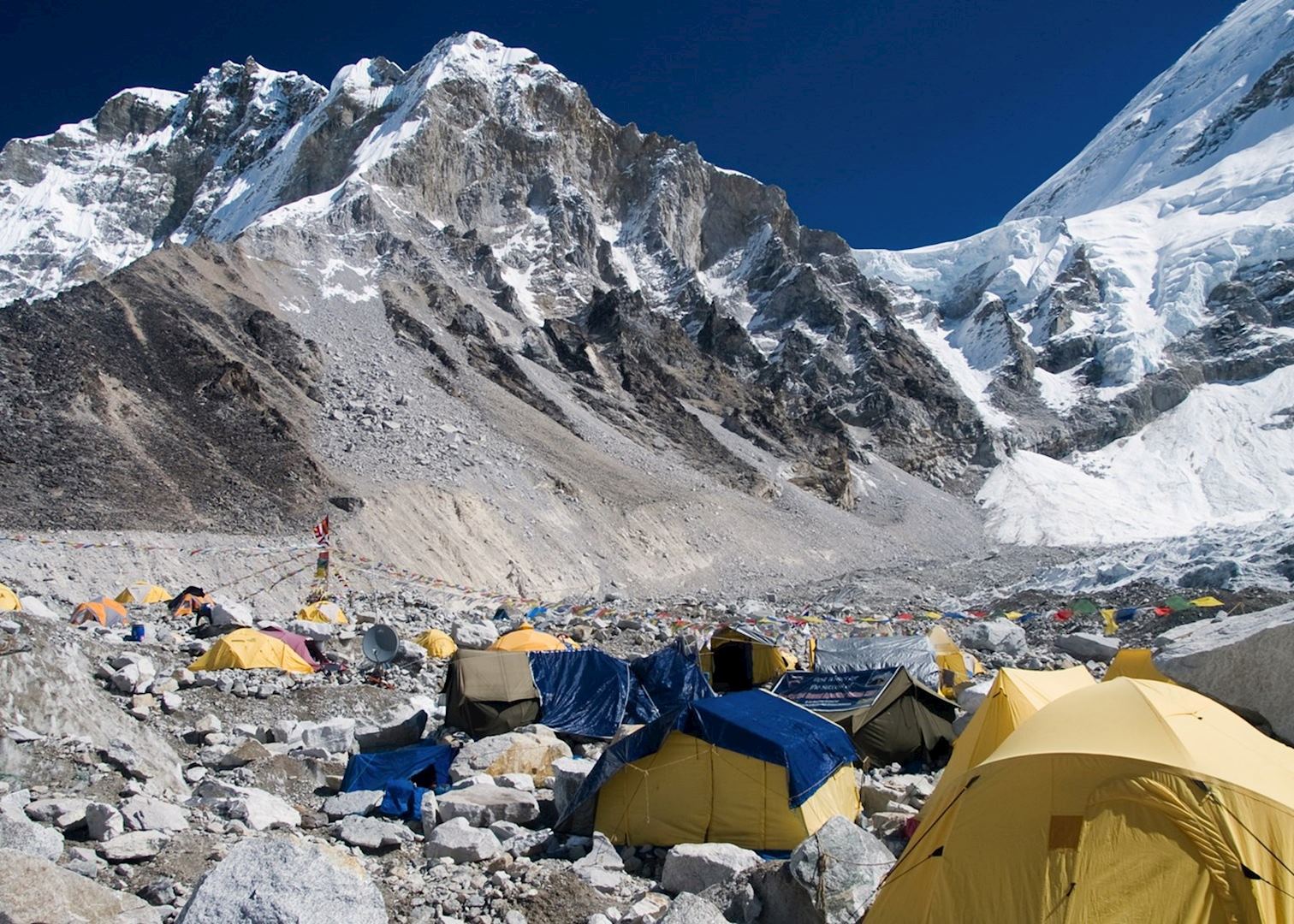
These camps set by the trekkers are often left behind along with their personal belongings, resulting to difficulty in waste management.
How can we save our mountains?
The local authorities, NGOs, and international organizations are making efforts to address these issues. Initiatives include waste management programs, education campaigns, and the promotion of sustainable practices among mountaineers and tourists. Sustainable tourism practices are crucial to preserving the Everest region’s natural beauty and ensuring its continued appeal for future generations. The Sagarmatha Pollution Control Committee (SPCC) actively oversees environmental and waste management in the Everest Region. Their responsibilities extend to the Everest Trekking Trail, encompassing waste management, including the proper disposal of human feces at the Everest Base Camp itself.
The climbers and the locals ought to support and follow the decision of the Khumbu PasangLhamu Rural Municipality. One can only imagine the effect human waste has put in the mountains. Ranging from the poor waste management, human bodies decaying to these factors leading in the global warming is a serious issue. It is only through the effort of every single person, be it a climber or non-climber to ensure the cleanliness of the environment for the greater well-being of the human kind. These mountains are not only ours, the upcoming generations too deserve to see this beauty. And it is our joint responsibility to ensure these mountains continue to stand proud and tall for the next thousands of years to come.


Wow Thanks for this thread i find it hard to realize good quality specifics out there when it comes to this subject material appreciate for the publish site
It’s a pleasure to know that you found the article useful, we’ll bring more such contents with real and genuine information in the future days too. And thank you for the kind words.
Wow Thanks for this information i find it hard to identify beneficial information and facts out there when it comes to this subject material appreciate for the thread site
Thank you for the kind words. We’re working on bringing as much genuine information to the site as possible.
Wow Thanks for this piece of writing i find it hard to acquire great related information out there when it comes to this material thank for the post website
And thank YOU for your kind words. We’ll keep working hard to put more genuine and real information out there for readers like you.
Wow Thanks for this article i find it hard to come across excellent knowledge out there when it comes to this topic appreciate for the content website
Wow Thanks for this page i find it hard to find great related information out there when it comes to this content thank for the thread site
It’s a pleasure to know that you enjoyed reading the article. We’re working on putting more such contents out there for readers like you.
Wow Thanks for this content i find it hard to locate great guidance out there when it comes to this subject material thank for the post website
Wow Thanks for this information i find it hard to locate good knowledge out there when it comes to this blog posts thank for the blog post site
Wow Thanks for this article i find it hard to realize exceptional related information out there when it comes to this topic thank for the thread website
Wow Thanks for this publish i find it hard to track down decent information and facts out there when it comes to this content appreciate for the write-up website
nice blog mate.. amazing content.. this one i search for. thank you
Personally, I enjoyed the photojournalism aspect of it, as it just as easily could have been another paint-by-numbers war film. It also shows a potential future where each side reaches their breaking point and conflict does ensue.
Wow Thanks for this site i find it hard to locate good quality info out there when it comes to this subject material appreciate for the article website