
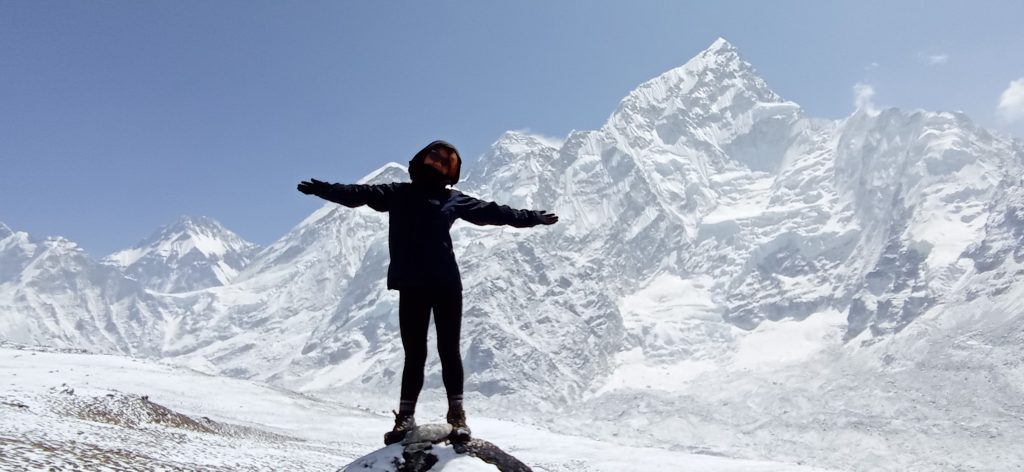
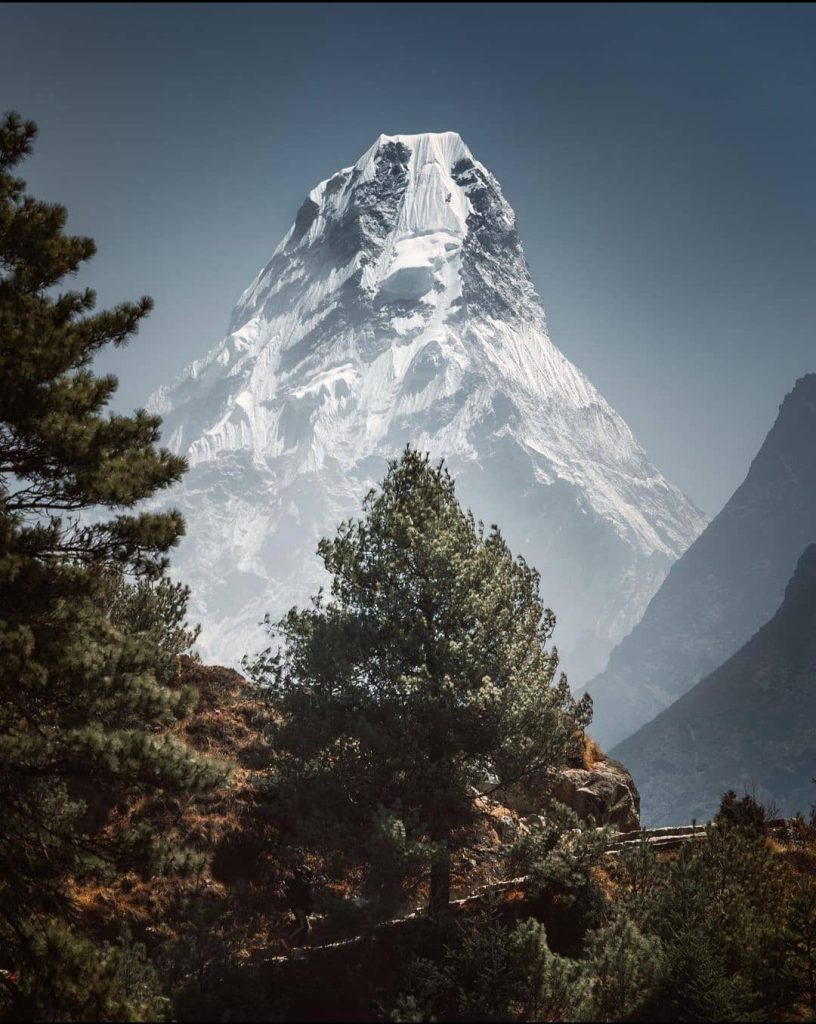
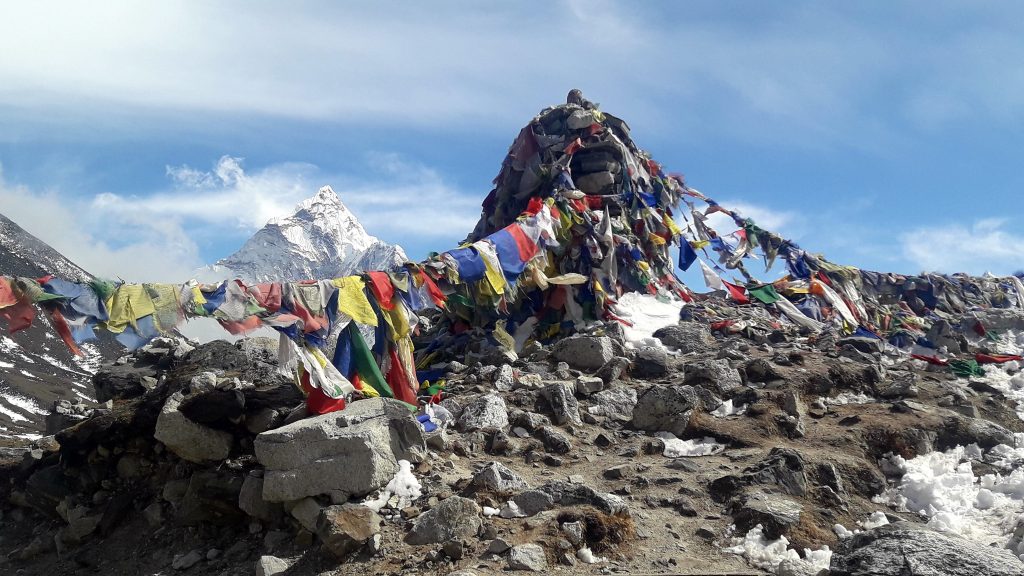

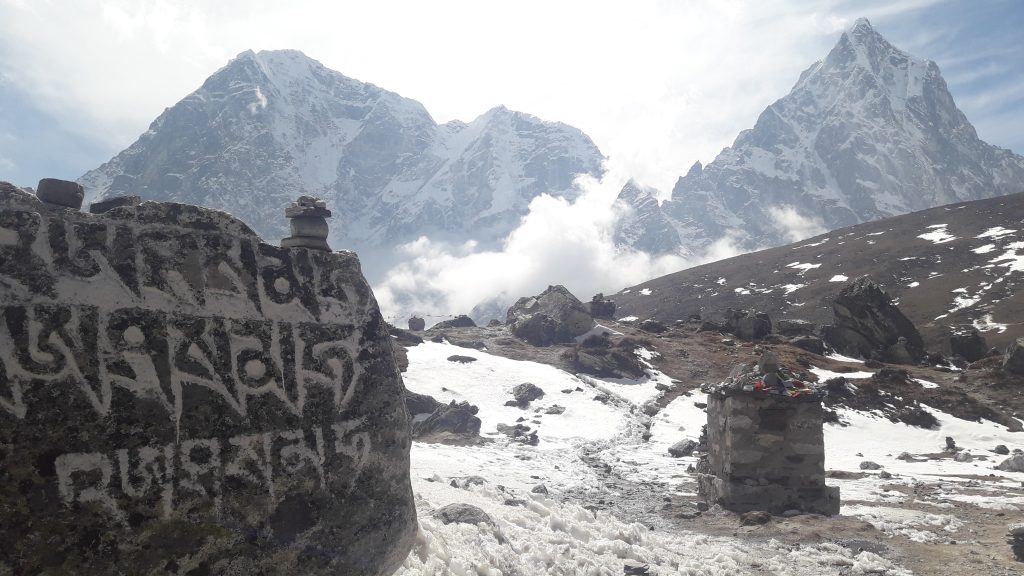
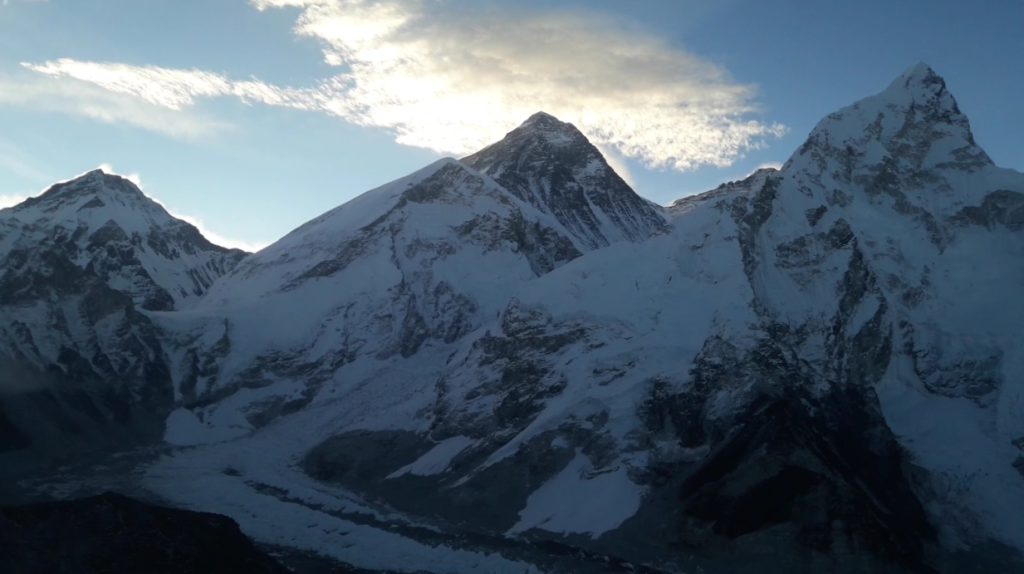

Have you ever wondered what Everest Base Camp Trek would have to offer; more than what’s usual? Well, our Everest Base Camp 15 Days Luxury Trek provides you with just the right answer.
Everest Base Camp, lying at the elevation of 5364 meters (17598 ft), on the south side is the most popular trekking destination for most Nepalese as well as foreign visitors in the Khumbu region. Along the trekking trail, there are major sight-seeing and teahouses that trekkers can stop by.
Read our exciting blogs. Click here.
What is Everest Base Camp 15 days Luxury Trek?
The Everest Base Camp trek is one of the most popular and adventurous treks in the world, offering trekkers a chance to witness the breathtaking beauty of the Himalayas, experience the rich local culture, and stand at the foot of the world’s highest peak, Mount Everest. The trek begins with a scenic flight from Kathmandu to Lukla, a small mountain town that serves as the gateway to the Khumbu region.
Throughout the trek, trekkers are immersed in the local culture, passing prayer flags, monasteries, and traditional tea houses. However, the trek requires proper acclimatization, as the altitude gradually increases, and trekkers need to acclimate to prevent altitude sickness. Luxury Trek means better room facilities, better accommodations, more foods, and of course more convenience.
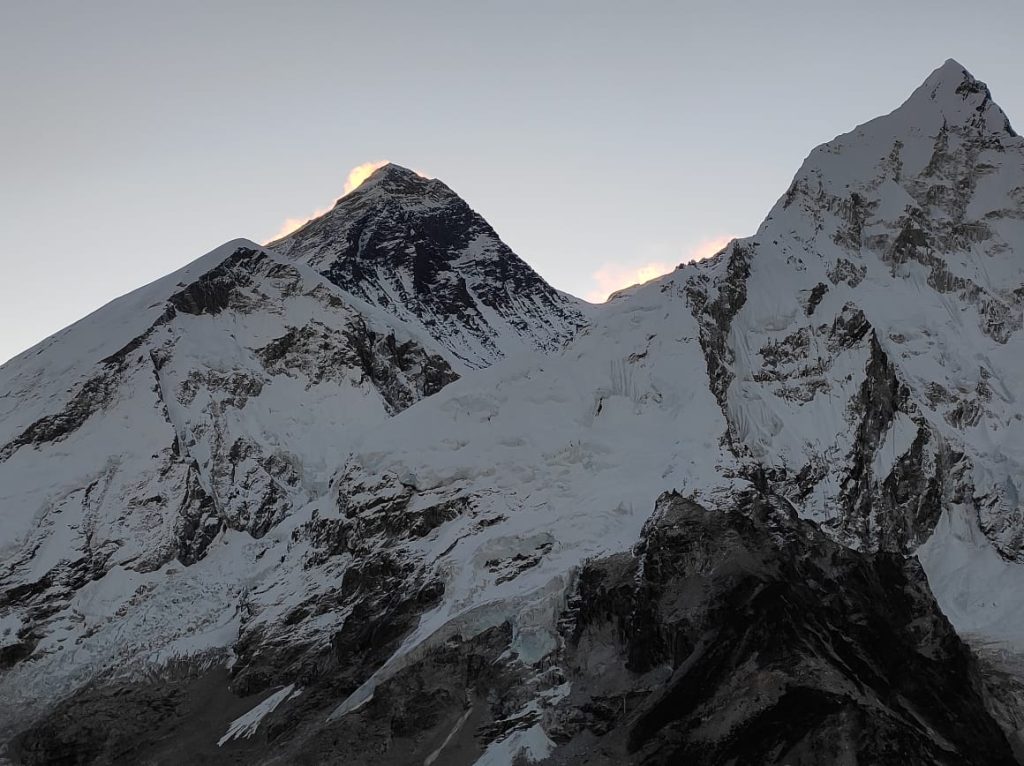
Additionally, many trekkers hike to Kala Patthar, a nearby viewpoint that offers unparalleled panoramic views of Mount Everest, providing a perfect vantage point for capturing the sunrise over the world’s highest peak. So, throughout the trek, we provide the best of the best services we can provide from purified drinking water to welcome drinks at each of your stay station where you’ll be spending the night. It’s all about trekking with luxury and convenience.
Itineraries can change based on the change of weather which often leads to delay/postpone in flights. Therefore, you might want to adjust the number of days you stay at Kathmandu. Here, we do not bear the expenses of additional stay days at Kathmandu other than mentioned in the itinerary. Always trek with experienced guides and ensure your safety as a priority.
NOTE: THIS TREK IS CUSTOMIZABLE, AND WILL BE CUSTOMIZED AS PER YOUR NEED AND CONVENIENCE.
Click to view exciting EBC pics on our main Instagram handle.
Overview of Everest Base Camp Trek
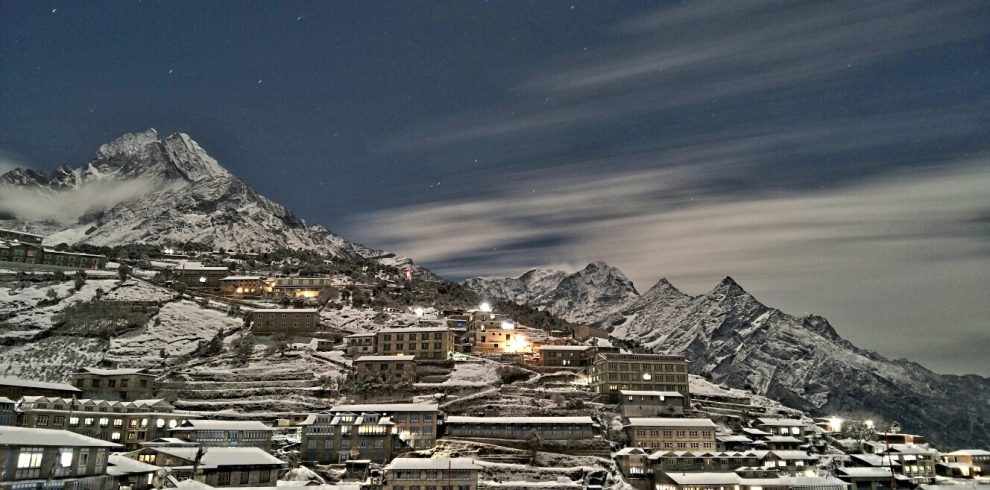
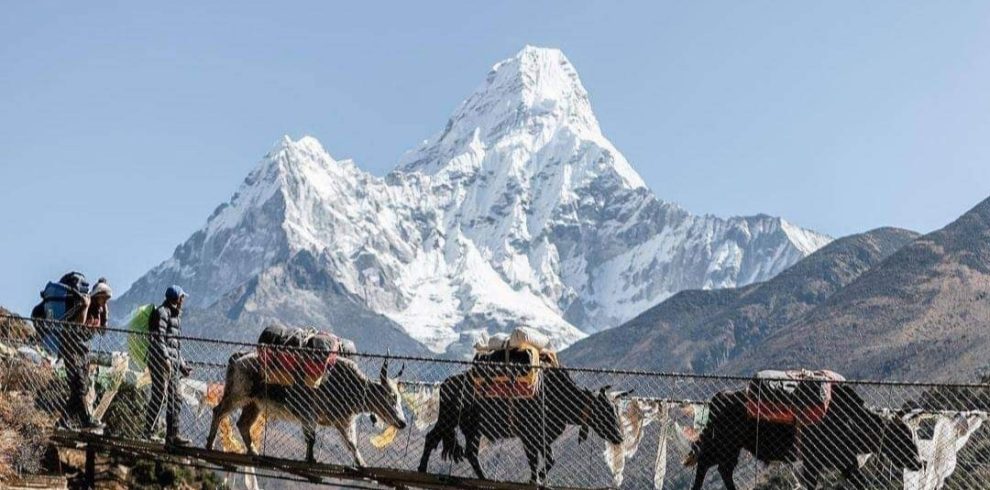
From Lukla, trekkers embark on a challenging yet rewarding journey through picturesque Sherpa villages, dense forests, and high-altitude landscapes. The trail follows the Dudh Koshi River, passing through Namche Bazaar, the vibrant Sherpa capital, and Tengboche, home to a famous monastery with stunning mountain views.
As the trek progresses, trekkers ascend higher into the Himalayas, passing through remote settlements like Dingboche and Lobuche. The journey culminates at Gorak Shep, the last settlement before Everest Base Camp. From Gorak Shep, trekkers make the final ascent to the base camp, a significant achievement and a surreal experience surrounded by towering peaks.
The journey back retraces the steps, allowing trekkers to reminisce about their accomplishments and enjoy different perspectives of the stunning landscape. The Everest Base Camp trek is not just a physical challenge but also a deeply enriching cultural and spiritual experience, making it a bucket-list adventure for trekkers and nature enthusiasts from around the globe.
Important Notice: Itineraries can change based on the change of weather which often leads to delay/postpone in flights. Therefore, you might want to adjust the number of days you stay at Kathmandu. Here, we do not bear the expenses of additional stay days at Kathmandu other than mentioned in the itinerary. Always trek with experienced guides and ensure your safety as a priority.
Highlights of the Everest Base Camp Trek
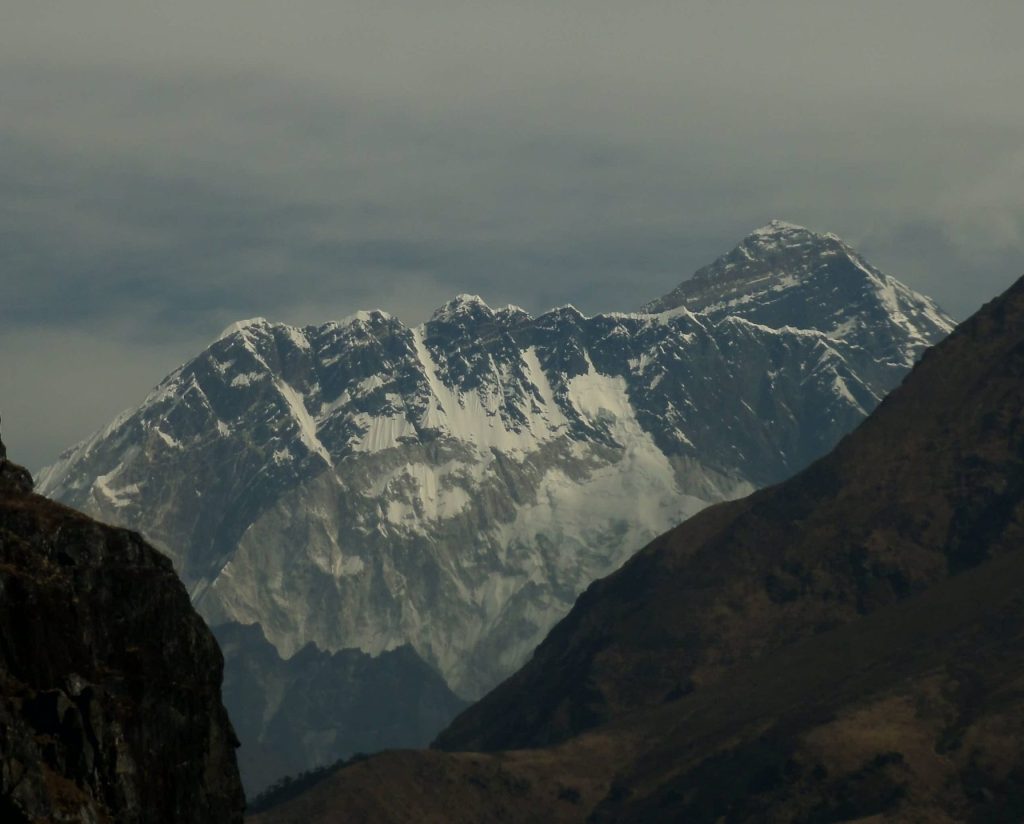
- Breathtaking vistas of the world's highest peaks, including Mount Everest, Lhotse, and Ama Dablam.
- Rich Sherpa culture, traditional villages, monasteries, and local people, gaining insights into their way of life.
- Ancient Tengboche Monastery, a spiritual center nestled amidst the Himalayas.
- A bustling market town of Namche Bazaar where you can shop for local crafts, artifacts, and experience the unique blend of tradition and modernity.
- Remarkable feat of reaching the base camp of the world's highest peak, the epicenter of Himalayan mountaineering history.
- Kala Patthar, a renowned viewpoint offering unparalleled sunrise panoramas of Mount Everest.
- Impressive Khumbu Glacier, an ancient river of ice.
- Warm hospitality of the Sherpa people, who welcome trekkers with open arms.
- Challenging terrains, suspension bridges, and steep trails.
- The pristine wilderness of Sagarmatha National Park, a UNESCO World Heritage Site.
EBC LUXURY PACKAGE
Our services for the package includes:
- Experienced local guide and porter services (from Lukla-to Lukla).
- Accommodations (twin-bed) in tea houses/lodges along the trek route.
- Attached bathroom with shower facilities (in all places available). Shower costs will be borne by us if you want to shower in places with no attached shower.
- Oxygen Service.
- Storage Facility for your luggage back in Kathmandu while you're at trek.
- Welcome Drinks at all stay-places from our side.
- Three meals a day (breakfast, lunch, and dinner) during the trek with any extra dish to your liking.
- Hot beverages will be served with breakfast, lunch, snacks & dinner, and also in-between the stops on the trekking route.
- Soup before dinner.
- Fruits post dinner every day.
- 2 bottles of drinking water/ tablet purified water, per person.
- Hot water bag services during the bedtime.
- Sagarmatha National Park and Khumbu Pasang Lhamu Rural Municipality permits.
- Round-trip flights between Kathmandu and Lukla.
- Airport transfers in Kathmandu.
- Meals and accommodations in Kathmandu at 3-4 star hotels.
- Basic medical kit and emergency evacuation arrangements if needed (Heli Rescue Charge not included in the cost).
- Pre-trek briefing in Kathmandu.
- Certificate of achievement.
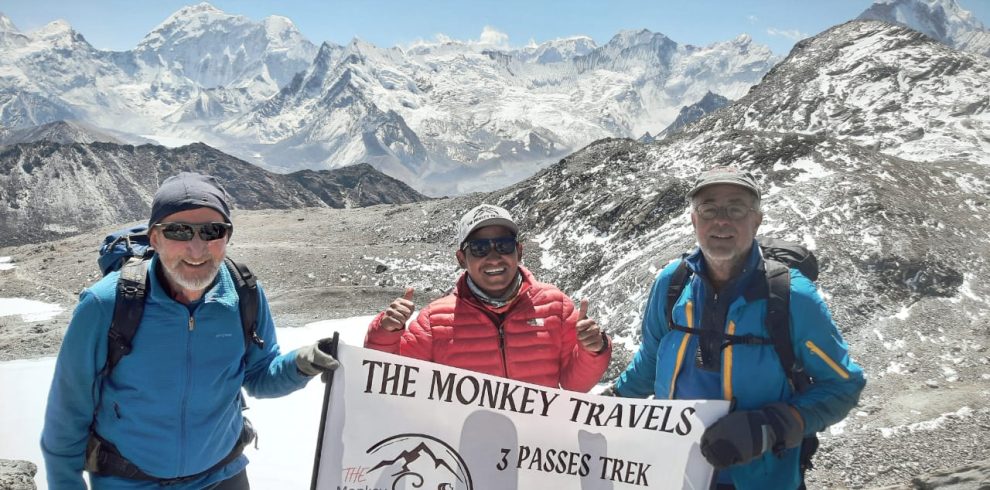
- The Monkey Travels' t-shirt and cap.
Our services for the package does not include:
- International airfare to and from Kathmandu
- Nepal entry visa fees
- Personal expenses, such as extra snacks, phone charging, laundry, Wi-Fi charges, etc.
- Travel insurance (highly recommended, including coverage for trekking at high altitudes)
- Optional tips for guides, porters, and staff
- Extra costs incurred due to unforeseen circumstances like natural disasters or flight cancellations. This includes the extra stay days at Kathmandu, and Lukla, before and after the trekking.
- Any additional expenses or activities not specified in the trek package itinerary
Itinerary
Your FAQs
- The Monkey Travels is birthed by passion, not profit.
- Licensed Trekking guides with First Aid Training, Oxygen & CPR Training along with the Climbing Training.
- We work with local porters, which means creation of local employment opportunities.
- Fair pay and fair treatment to porters, who are often neglected in the trekking & tourism industry.
- Our super-friendly and highly experienced guides have been familiar with the Everest region for more than a decade.
- Young & energetic team members, who believe in sustainable trekking experience.
- Our co-founder, Sonam, himself is equipped is a decade+ long experience as the trekking/climbing guide.
- We are 24/7 available at your service, and also easily accessible.
- Open to feedback as well as criticisms.
- We provide customized trekking itineraries to make your trekking experience extra-ordinary.
The Everest Base Camp trek is challenging but doable for people with average fitness levels. It involves walking for several hours each day at high altitudes, so it’s essential to be prepared and acclimatize properly. Your trekking guide will be there to guide you with the altitude sickness, just in case. However, the trekkers are required to be super transparent about what’s going on with their body, before they get Altitude Mountain Sickness (AMS).
If you want to learn about the tricks on preventing AMS, please read our blog here.
The standard duration for the Everest Base Camp trek is around 12 to 14 days, including two acclimatization days at Namche Bazaar, and Dingboche, two most common places for acclimatization. However, the total duration can vary based on the route and individual preferences of the trekkers. The idea here is to acclimatize before escalating to the heights any further.
The best time to trek to Everest Base Camp is during the pre-monsoon (spring) season from March to May and the post-monsoon (fall) season from September to November. Most trekkers are seen at Everest region during these seasons. However, the post-fall (winter) season from December to February also serves at a wonderful trekking time for the winter lovers. These months offer stable weather and clear skies. The weather during other times of the year is mostly unpredictable which means unclear weather conditions leading to delay or postpone in flights, and not very clean view to see.
While it’s not mandatory to hire a guide and porter, many trekkers choose to do so for safety and convenience. Guides are familiar with the route and can help in case of emergencies, and porters can carry your heavy backpack, allowing you to enjoy the trek more comfortably. However, at times, trekkers opt not to hire a porter, which eventually leads to guides having to carry the loads of the trekkers during the difficult trails, and often, throughout the entire trek which makes it a bittersweet experience for both the guide and the trekkers. The best decision would be to decide beforehand if you need a porter or not. Most trekkers are seen hiring porters at a higher cost at Namche Bazaar rather than going for them at Lukla itself, from where the deals with porters can be made at a reasonable rate. Here, what is basically seen is while trying to save a few bucks, trekkers end up paying even higher price for the porters at higher altitude.
To trek to Everest Base Camp, you need two permits: the Sagarmatha National Park Entry Permit and the Khumbu Pasang Lhamu Rural Municipality Entrance Permit. These permits can be obtained in Kathmandu or Lukla before starting the trek. For the trekkers who are taken care of by the companies, the companies will take care of these permits (as and if mentioned in the service package). These charges are applicable to the Indian citizens (50% off at Sagarmatha National Park) and foreign citizens, but not to the Nepalese citizens (does not include NRNs). The documentations required for the entry permit would be the passport of the trekkers.
Accommodations along the Everest Base Camp trek route range from basic tea houses to more comfortable lodges. Tea houses are traditional Nepali guesthouses offering a bed, food, and sometimes hot showers. They are run by local families and provide a cozy, communal atmosphere for trekkers. In recent years, many tea houses have improved their facilities, offering private rooms and western-style toilets. However, the quality of accommodation varies, and during peak trekking seasons, it’s advisable to book in advance. In higher altitudes, the options might be more basic, and rooms can get colder, so carrying a good sleeping bag is essential for a comfortable night’s sleep.
Packing for the Everest Base Camp trek requires careful consideration of the challenging terrain and varying weather conditions. Essential items include warm and moisture-wicking clothing, a sturdy and comfortable pair of trekking boots, a high-quality sleeping bag suitable for cold temperatures, a first aid kit with altitude sickness medication, water purification tablets or a portable water filter, toiletries, a good backpack, and a down jacket for warmth during colder evenings. It’s crucial to pack light and carry only the essentials, as excess weight can make the trek more difficult. Additionally, packing some energy snacks and a refillable water bottle is helpful, as snacks can be limited and plastic waste should be minimized. Read our blog on how to pack right for your EBC Adventure here.
ATMs are available in certain villages along the Everest Base Camp trek route, such as Lukla and Namche Bazaar. However, it’s important to note that these ATMs might not always be reliable due to technical issues or power outages. Therefore, it’s recommended to carry enough Nepali rupees in cash to cover your expenses during the trek. Local tea houses and lodges usually prefer cash payments, and having small denominations can be helpful for purchases and tips.
Yes, altitude sickness is a significant concern during the Everest Base Camp trek due to the high elevations. It’s essential to acclimatize properly to allow your body to adjust to the decreasing oxygen levels. Trekkers are advised to take acclimatization days, stay hydrated, avoid alcohol and tobacco, eat as less meat as possible, and ascend slowly. Being aware of the symptoms of altitude sickness, such as headaches, dizziness, nausea, and fatigue, is crucial. If symptoms worsen, descending to a lower altitude is necessary. It’s also recommended to carry a portable altitude chamber (PAC) or a hyperbaric bag, which can be lifesaving in severe cases of altitude sickness. Read our blog on prevention/cure of AMS here.
Yes, you can do the Everest Base Camp trek independently, but it requires thorough preparation and knowledge of the route. Independent trekkers need to obtain the necessary permits, carry a detailed map and a guidebook, and be self-sufficient with accommodations and supplies. It’s advisable to have prior trekking experience, especially in high-altitude regions. While solo trekking is possible, many trekkers opt for guided tours or hire local guides/porters for safety and a more enriching experience. Local guides are familiar with the terrain, provide valuable cultural insights, and can assist in case of emergencies. Hiring a guide and/or porter also supports the local economy, as they are an integral part of the trekking community in the region. Read our blog on why you MUST have a trekking guide with you.
1. Q: What types of accommodations are available in the Khumbu region?
– In the Khumbu region, accommodations primarily consist of tea houses, lodges, and guesthouses. Tea houses are basic mountain lodges offering a bed, food, and sometimes hot showers. Lodges and guesthouses vary in comfort, with some providing private rooms and attached bathrooms. Luxurious lodges with modern amenities are also available in popular trekking hubs like Namche Bazaar.
2. Q: Do accommodations in the Khumbu region have electricity and Wi-Fi?
– Many accommodations in larger villages, such as Namche Bazaar, have electricity, allowing you to charge your devices. However, the availability of electricity and Wi-Fi decreases as you ascend to higher altitudes. In remote areas, accommodations rely on solar power, and Wi-Fi might be limited or unavailable. It’s advisable to bring a portable charger and a power bank for your electronic devices. As you escalate higher, you might have to pay for the cost of charging your mobile phone.
3. Q: Is it necessary to book accommodations in advance for Khumbu region treks?
– During peak trekking seasons (spring and fall), it’s advisable to book accommodations in advance, especially in popular trekking hubs like Namche Bazaar and during major festivals. Booking in advance ensures you have a place to stay, especially in higher-altitude villages where the number of accommodations is limited.
4. Q: Are vegetarian and vegan food options available in the tea houses and lodges?
– Yes, tea houses and lodges in the Khumbu region offer a variety of food options, including vegetarian and vegan meals. Dal Bhat (rice, lentils, and vegetables) is a popular Nepali dish and is widely available. Most accommodations also serve international dishes, and dietary preferences can usually be accommodated with advance notice.
5. Q: Do accommodations provide blankets or sleeping bags?
– While some accommodations provide blankets, it’s advisable to bring your own high-quality sleeping bag for better insulation, especially in colder months. A warm sleeping bag is essential, as nights at higher altitudes can get chilly, even inside the lodges. You can rent sleeping bags and other trekking items from the rental places at Kathmandu. For our customers, we provide these items for the trekking, with certain additional charges included in the trekking package as a whole.
6. Q: Are hot showers available in tea houses and lodges?
– Hot showers are available in many tea houses and lodges in the Khumbu region. However, at higher altitudes, hot water might be scarce, and you may need to pay an additional fee for a hot shower. It’s recommended to inquire about hot shower availability upon arrival at each accommodation.
7. Q: Can accommodations in the Khumbu region cater to dietary restrictions and allergies?
– Yes, accommodations in the Khumbu region can cater to various dietary restrictions and allergies. It’s advisable to inform the accommodation staff in advance about any specific dietary needs or allergies so they can prepare suitable meals for you.
8. Q: Are there laundry services available in the accommodations?
– Some accommodations offer laundry services for an additional fee. However, it’s important to note that laundry services might be limited and may not be available in all tea houses and lodges. Packing sufficient clothing for the duration of your trek is advisable.
9. Q: Do accommodations provide bottled water, or is it necessary to use water purification methods?
– Bottled water is available for purchase at tea houses and lodges, but it’s strongly discouraged due to environmental concerns. Instead, trekkers are encouraged to use water purification methods, such as water purification tablets or portable water filters, to reduce plastic waste and ensure safe drinking water during the trek.
10. Q: Are accommodations in the Khumbu region eco-friendly?
– Many accommodations in the Khumbu region have taken steps to become more eco-friendly. They use solar power for electricity, promote responsible waste management, and encourage trekkers to use refillable water bottles and minimize plastic usage. Travelers are also encouraged to respect the local environment and adhere to eco-friendly practices during their trek.
- Q: What should I do if my flight is cancelled or delayed before the trek?
– If your flight is cancelled or delayed, it’s essential to stay calm and act promptly. Contact both the airline and us, your trekking agency immediately to inform them about the situation. Airlines often have policies to accommodate passengers on the next available flights. Or, you could take a heli ride to Lukla from Kathmandu, the cost of which we do not bear as the quoted price does not cover the charges incurred in the Heli service. We can help rearrange your itinerary, such as adjusting the start date of your trek and accommodations. It’s crucial to keep communication lines open to ensure a smooth transition and minimize disruptions to your travel plans.
- Q: Can I change my trekking dates after booking?
– Yes, trekking dates can usually be changed, but it’s important to communicate your request well in advance. Contact us, your trekking agency to discuss the possibility of date modifications. Changes are subject to availability and will incur additional fees, based on the policies of the agency and the accommodations along the route. Make sure to confirm the new dates, any associated costs, and updated arrangements before finalizing the changes to your trekking itinerary.
- Q: What happens if I need to cancel my trek due to unforeseen circumstances?
– If you find yourself in a situation where you need to cancel your trek due to unforeseen circumstances, it’s vital to inform us as soon as possible. We have cancellation policies outlined in our terms and conditions. While refunds might not be provided for last-minute cancellations, having travel insurance can often cover cancellation costs due to valid reasons such as illness, accidents, or emergencies. It’s advisable to review your travel insurance policy to understand the coverage and follow the necessary procedures for filing a claim.
- Q: What if I feel unwell or experience altitude sickness during the trek?
– Altitude sickness is a genuine concern while trekking in high-altitude regions. If you start feeling unwell or experience symptoms of altitude sickness, such as headaches, dizziness, nausea, or shortness of breath, it’s crucial to communicate this to your guide immediately. Experienced guides are trained to recognize these symptoms and will assess your condition. Depending on the severity, your guide may recommend a rest day, a slower pace, or descending to a lower altitude to allow your body to acclimatize properly. In severe cases, emergency evacuation procedures can be activated to ensure your safety. Always prioritize your health and follow the advice of your guide, as they have the expertise to handle altitude-related issues.
- Q: What safety measures are in place during the trek?
– We prioritize the safety and well-being of our trekkers. We provide experienced and knowledgeable guides who are trained in first aid and altitude sickness management. Guides carry basic medical kits, including essential medications, bandages, and oxygen cylinders. Additionally, we have established emergency evacuation plans in collaboration with local rescue services and helicopter companies. Guides are familiar with evacuation procedures and can swiftly coordinate rescue efforts if needed. Trekkers are encouraged to follow safety guidelines, stay with the group, drink plenty of water, and communicate any concerns promptly. Open communication with your guide ensures that any potential issues are addressed effectively and efficiently.
- Q: What if I can’t continue the trek due to physical exhaustion or other reasons?
– Trekking in high-altitude regions can be physically demanding, and it’s essential to listen to your body. If you find yourself unable to continue the trek due to physical exhaustion, illness, or other reasons, your guide will assess the situation and make necessary arrangements. This might include descending to a lower altitude where you can rest and recover. Your guide will coordinate with local accommodations to arrange for your stay. Depending on the circumstances, there might be additional costs for extra nights or transportation, which should be clarified with us. It’s important to communicate your condition honestly and openly with your guide, allowing them to provide the necessary support and assistance tailored to your needs.
All the bookings for the trek will have been confirmed at the hotels, with the guides and the porters too. The charges will be pre-paid as per the company regulations. Hence, there will be no refunds if the trek itinerary changes or the trekker is unable to complete the trek. Apart from the trekker alone, there are more than one party (guide, porter, hotels) who have to bear the opportunity costs for these treks.
While it is mostly based on the personal choices of the trekkers, tipping (60-40)% is highly advisable. Tipping doesn’t necessarily have to be in Nepalese currencies as you can tip guides and porters in dollars and euro, as most trekkers are seen doing.
While you may want to pack for a lot of things during the trek, the best decision would be to pack wisely, meaning you carry what’s necessary, not what you think may be necessary. That is to be specific, a maximum of 17 kg duffle bag per person. Why? You may wonder. Because a single porter is allocated between two trekkers, and while a porter can carry only 35 kgs per person, the weight of the duffle bag is thus divided in 17 kgs per trekker.